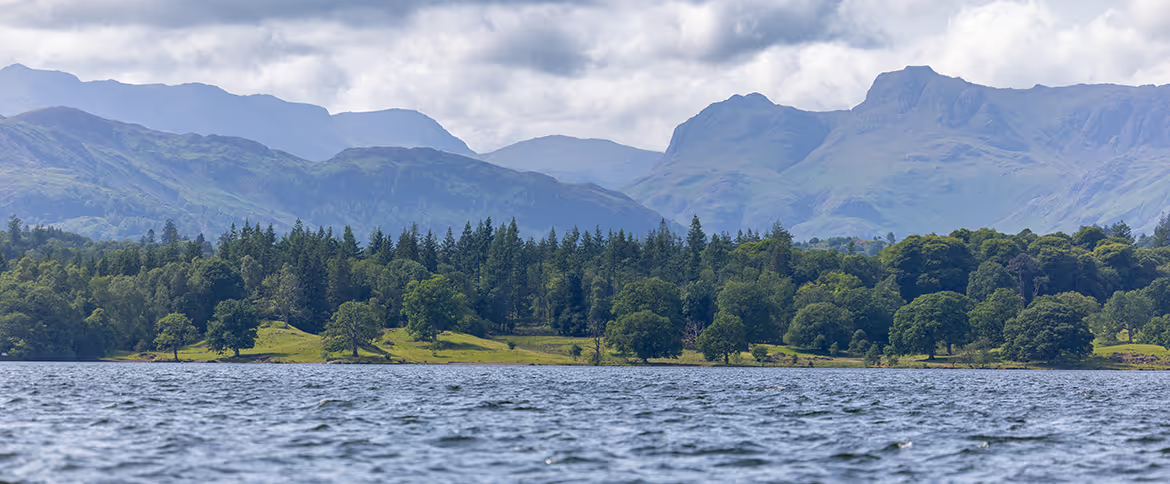
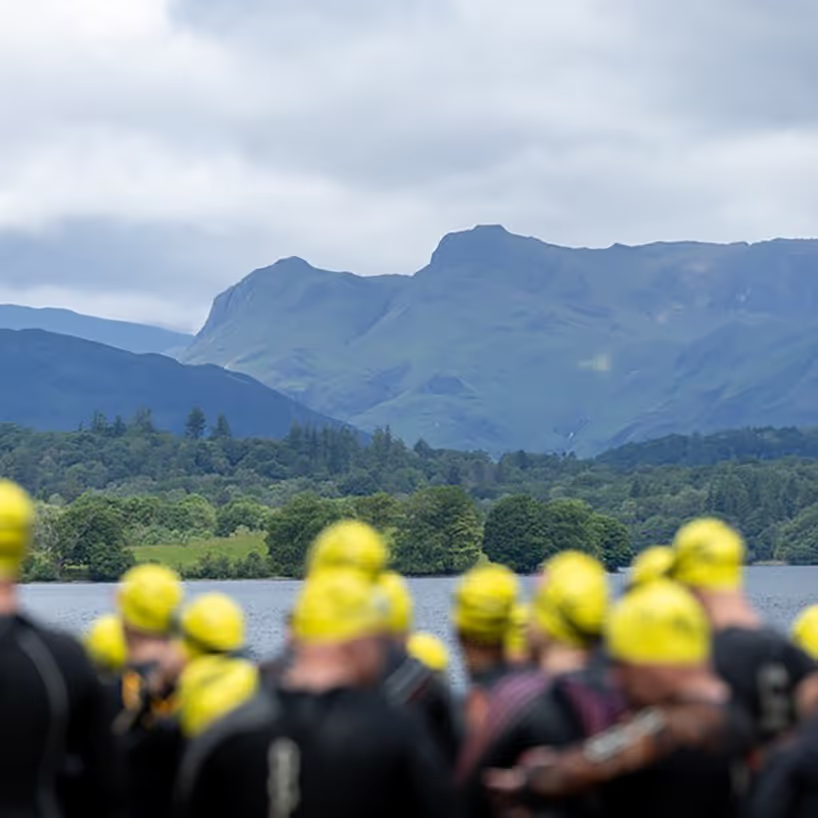
Water Quality
We recognise the issues that face our UK bathing waters, and the particular focus on the water quality of Windermere within the media currently. The health and well-being of our Great North Swim participants is always our top priority and we would not proceed with the event if we believed it unsafe to do so.
Every year we conduct a large number of water quality tests of our own using an independent laboratory, looking at both bacteria (e-coli) and algae levels in the Lake. These results are then assessed against EU Bathing Water Directive levels and World Health Organisation (WHO) guidance.
The Lake is a vast body of water over 10 miles long, so our tests are focused on where our participants swim. We start to test the water around 4 weeks prior to event day and we conduct multiple rounds of tests within this time frame, and we continue to monitor and test the water right up until the event. This helps us monitor any long terms issues the Lake, as well as any specific issues that could be present over the weekend of the Swim
As we move closer towards the 2026 event, we are closely monitoring water quality issues working closely with our local stakeholders including the Environment Agency and the Lake District National Park Authority to ensure the health and safety of all involved.
Frequently Asked Questions
Are there any health risks associated with swimming in open water?
Open-water swimming is an incredibly rewarding experience, and the vast majority of people take part safely every year.
At the Coventry Building Society Great North Swim, the health and safety of our swimmers is always our top priority. We carry out extensive water quality testing and have a highly experienced water safety team on hand throughout the event — with around one crew member for every ten swimmers.
As with any natural body of water, conditions can vary, so we encourage swimmers to follow a few simple precautions: avoid swallowing water, wash your hands after swimming, and clean any cuts or grazes.
Our water quality is monitored closely, and further advice about open-water safety can be found on the Government website here.
What is blue-green algae and will there be any in the water at Great Swim?
The dates of the Coventry Building Society Great North Swim event has been chosen to avoid any peak periods in blue-green algae and we will be monitoring the water quality in the lead up to the event.
Blue-green algae is naturally occurring in lakes, ponds, reservoirs, rivers and the sea. These commonly occur during periods of prolonged hot weather and in calm waters, such as near to the water’s edge or shoreline.
At most levels the algae poses no threat to swimmers. It is only on the rare occasions when the algae reaches extremely high levels that it can form a scum and produce toxic substances. We monitor the water quality, and we would carry out our contingency plans if we find any scum on the water.
Does the recent news of pollution in Windermere affect the Great North Swim?
We recognise the issues that face our UK bathing waters and want to help ensure that swimmers can maintain safe access to enjoy all of the benefits we associate with open water swimming.
The Lake is a vast body of water over 10 miles long, and containing an estimated 300,000 billion litres of water. The nearest Combined Sewage Overflows (CSO) is around 3km from the location of the Swim. This distance greatly reduces the impact due to dissipation and dilution. This said, we continue to monitor the CSOs to ensure there are no discharges that would impact the event.
How often do you test the water quality and when was the most recent test carried out?
We start to test the water around 4 weeks prior to event day. There will be approximately 3 rounds of tests carried out within this time right up to event day.
How do you conduct your water testing?
The water quality is tested independently, with multiple samples taken from 5 different locations in Windermere around the swim course. Details can be found on our testing map here. They are conducted by a 3rd party, with tests analysed by independent laboratories and measured against the EU Bathing Water Directive.
Where can I find more information on water quality in relation to Lake Windermere in general?
The Freshwater Biological Association (FBA) conduct regular surveys assessing the health of Windermere. Further details of the work they do, how you can help, and their latest results can be found here.